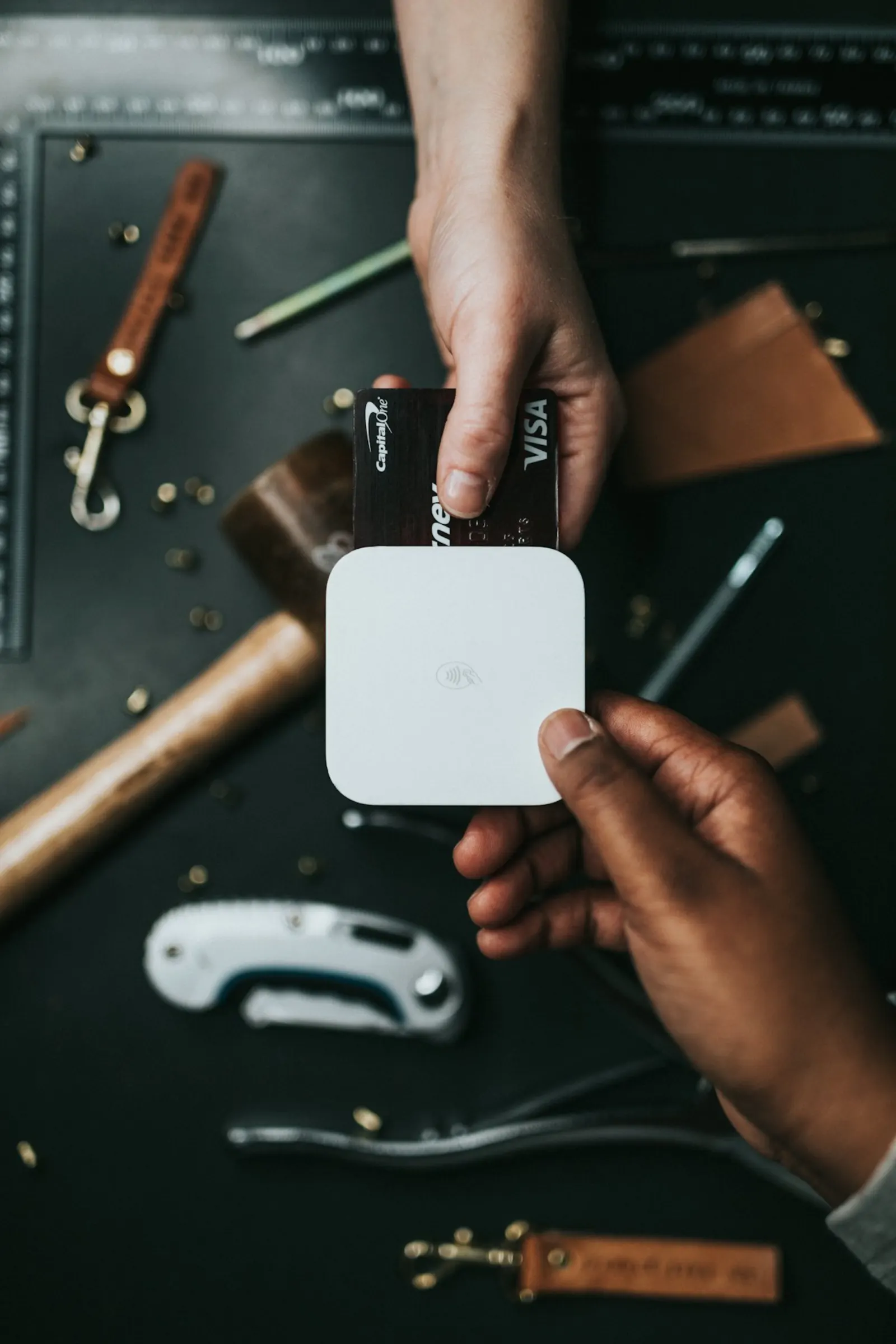
Why do some issuers accept an ITIN while others don't?
Credit card applications have long assumed every applicant has a Social Security Number. The SSN integrates with identity-verification systems and credit-bureau pulls in ways ITINs sometimes don't. The result is that some issuers have adapted their systems to handle ITINs, while others haven't prioritized it. This is a technology and policy decision, not a legal one, there is no federal law barring issuers from extending credit to ITIN holders.
The issuers that do accept ITINs have done one of two things: built explicit ITIN fields into their application, or confirmed that their SSN fields accept ITIN numbers equally. As more issuers serve immigrant communities, ITIN acceptance has become more common, especially among credit unions and newer fintech companies.
What types of issuers are most ITIN-friendly?
Three categories of issuers have the highest acceptance rates for ITIN holders:
| Issuer type | ITIN friendliness | Notes |
|---|---|---|
| National banks (with ITIN programs) | Moderate to high | Several major national banks have published ITIN card programs; policies vary by branch and product |
| Credit unions | High, especially community CUs | Nonprofit, community-focused, often serve immigrant members; most flexible on documentation |
| Fintech / neobanks | High, purpose-built ITIN flows | Several have built ITIN-first onboarding; typically secured or starter cards |
| Regional and community banks | Moderate | Varies widely; worth a direct inquiry if you already bank there |
| Large national issuers (without ITIN programs) | Low to none | Systems often validate SSN format; ITIN may fail electronic checks |
Which is the best ITIN credit card for your situation?
The "best" ITIN credit card depends on where you're starting from. Rather than chasing a single "best card," match the card type to your credit file and goal. Here's how the main options compare for ITIN holders:
| Card type | Best for | Deposit required? | Builds credit? |
|---|---|---|---|
| Secured card | No credit file yet, or rebuilding from zero | Yes, refundable, sets your limit | Yes, reports to all three bureaus |
| Unsecured starter card | Some history or income; want no deposit | No | Yes, but harder to qualify with a thin file |
| Credit-builder / fintech card | ITIN-first onboarding, fast approval | Sometimes, varies by program | Yes, designed for first-time builders |
| Business card | ITIN holders running a business | Varies | Builds business credit (sometimes personal too) |
If you're applying for your first U.S. card, a secured card for ITIN holders is almost always the right starting point. For a side-by-side roundup of the best ITIN credit cards by credit stage, or the full breakdown, see the complete ITIN credit card guide.
How to apply for a card with an ITIN
Once you've identified an ITIN-accepting issuer, the actual application process is straightforward. Here's how to navigate it:
- Confirm acceptance first. Check the issuer's FAQ for "ITIN" or "Individual Taxpayer Identification Number." If the FAQ is silent, call or visit a branch and ask directly. Avoid spending a hard inquiry on an application that will be rejected due to an SSN system check.
- Gather your documents. You'll typically need your ITIN (from your IRS CP565 letter or tax return), a government-issued ID, proof of U.S. address, and proof of income.
- Complete the application. Enter your ITIN in the tax ID or SSN field. Some applications have a specific "ITIN" option; others just have a generic nine-digit field. If you hit an error online, try in branch.
- Apply in branch if needed. Branch agents have more flexibility to override system checks and may be able to manually verify your ITIN. This is often the best path for issuers whose online systems don't accept ITIN-formatted numbers.
- Expect a security deposit if starting from zero. Most ITIN-accepting first-time card issuers will approve you for a secured card. This is normal and the right starting point. See secured credit cards for ITIN holders.
What if you don't have a U.S. credit history?
Many ITIN holders applying for their first U.S. credit card have no FICO score, because a score only generates after six months of reporting activity. Issuers know this. ITIN-friendly secured card programs are designed for exactly this situation: they use your deposit as collateral in place of a credit score. Once you have 6-12 months of on-time payments, you'll have a real score and a much wider range of options.
Some credit unions also offer "alternative credit" review, they look at rent receipts, utility payment history, and bank statements rather than a FICO score. If you have a track record of paying bills on time, mention this when you apply.
See also: complete ITIN credit card guide · how to build credit with an ITIN · find your card now.
Which specific issuers and card types accept an ITIN?
Once you know the broad categories, it helps to look at specific issuer types. These guides go deeper on who says yes and what to expect from each:
- Which banks accept an ITIN for credit cards, the institutions most likely to approve you.
- Credit union credit cards for ITIN holders, often the most flexible on documentation.
- Getting a business credit card with an ITIN as a sole proprietor.
- Balance transfer credit cards for ITIN holders once you have an existing balance to move.